


Over the years, we have run more than 200 unique Scale Up! sessions globally. From 3-hour discovery sessions to 4-week investment readiness programs and everything in between. We’ve had thousands of founders, investors, ecosystem builders, government officials, and faculty join in.
Here are the 10 steps we believe are important for a winning Scale Up! session.
Step 1: Be Clear About the Format
Are we running a 3-hour discovery session? A half-day teaching session? One day? Maybe a 4-week program?
Get crystal clear on the format from the start. The structure dictates everything else—your content depth, your pacing, your materials, and what outcomes you can realistically achieve. Don’t try to squeeze a 4-week program into a half day, and don’t stretch a 3-hour session into something it’s not meant to be.
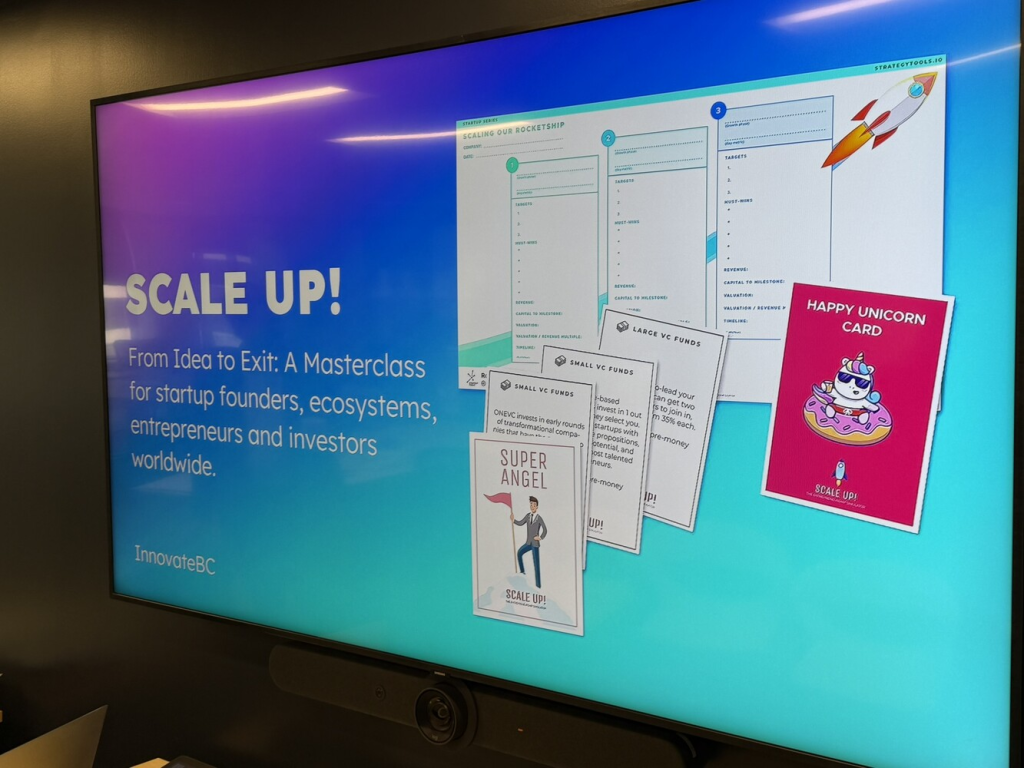
Step 2: Know Your Participants
It’s really important that you understand who your audience is going to be. You need to understand their level, their background, their investment readiness, any previous programs they’ve completed, and who they are as individuals.
As much as possible, you want to review their decks and review their websites before you meet. This preparation makes all the difference between a generic session and one that truly resonates.

Step 3: Align on Expectations
Here, you need to make sure that you deeply, deeply understand the expectations of your clients. And make sure you understand the expectations of the participants.
If you’re not sure about the expectations of the participants, communicate, communicate, communicate in advance. Make sure that expectations are what you want them to be—nothing else. Misaligned expectations are the fastest way to derail an otherwise excellent session

Step 4: Focus on the Journey
Now you want to bring out the Founder’s Journey Canvas and make sure that you craft your story and your communication around that journey. This is essential to the program. Make sure you can easily overlay each step with the right investment instrument, right investment terms and right valuations.
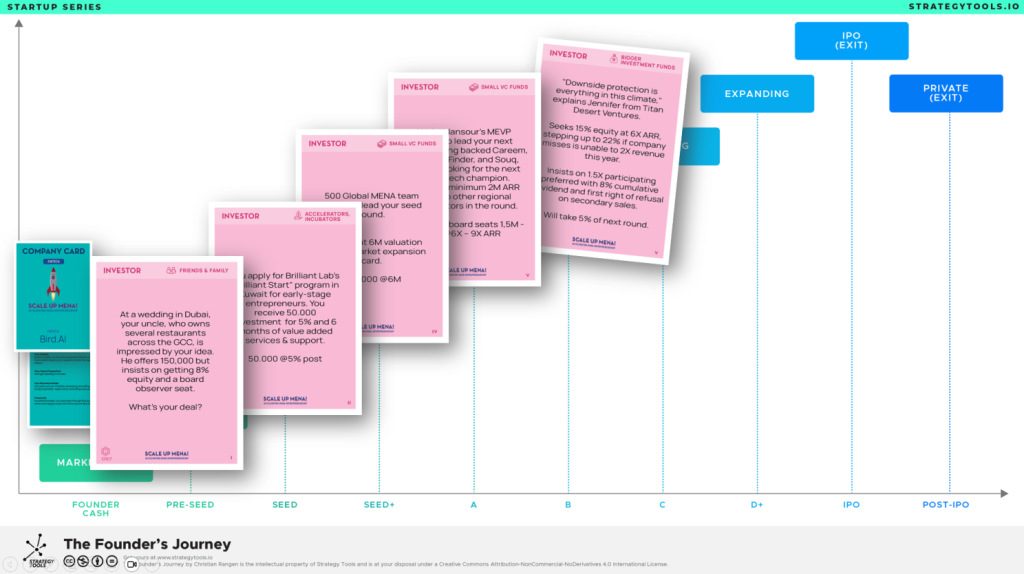
The journey provides the narrative thread that holds everything together and helps participants see where they are, where they’re going, and what they need to get there.
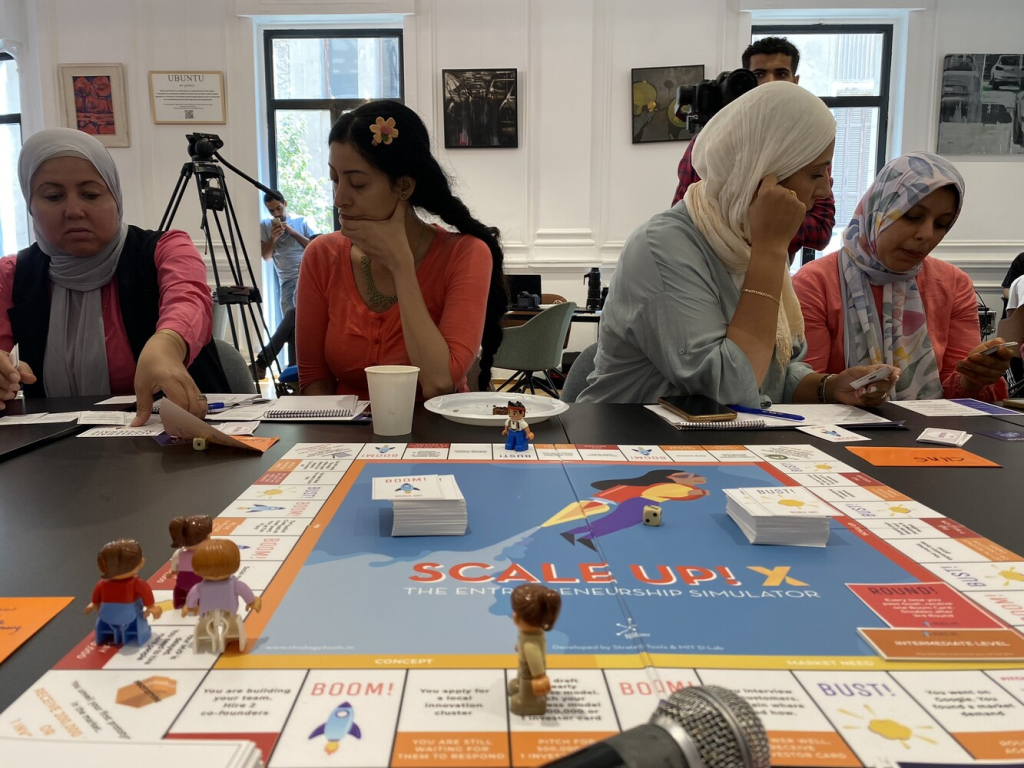
Step 5: Prepare (with Your Co-Facilitators)
We cannot emphasize this enough.
You might be delivering this by yourself. You might be delivering it with others. You might be delivering it with someone for the first time. Regardless, you need to spend as much time as needed to get aligned and prepared together.
Run through the flow. Discuss handoffs. Clarify who leads what. Iron out any differences in approach. The investment you make here pays dividends when you’re in the room with participants.

Step 6: Layout the Detailed Workflow
As part of Step 5, you need to lay out exactly the detailed step-by-step-by-step-by-step.
What are we going to do? Who does what? Who prepares what? Which canvases? Which founder tasks? Which breakouts? Which overnight assignments?
Leave nothing to chance. The more detailed your workflow, the smoother your delivery will be.
Step 7: Venue
Make sure you can access the venue at the time that you expect.
We strongly recommend setting up the venue the night before, including all the materials. If that’s not possible, try to get there 2 hours before you start in the morning and set up.
Murphy’s Law applies 800 times over when it comes to venues. The projector won’t work. The Wi-Fi will fail. The room setup will be wrong. There are no tables. Build in buffer time to handle these inevitable issues.
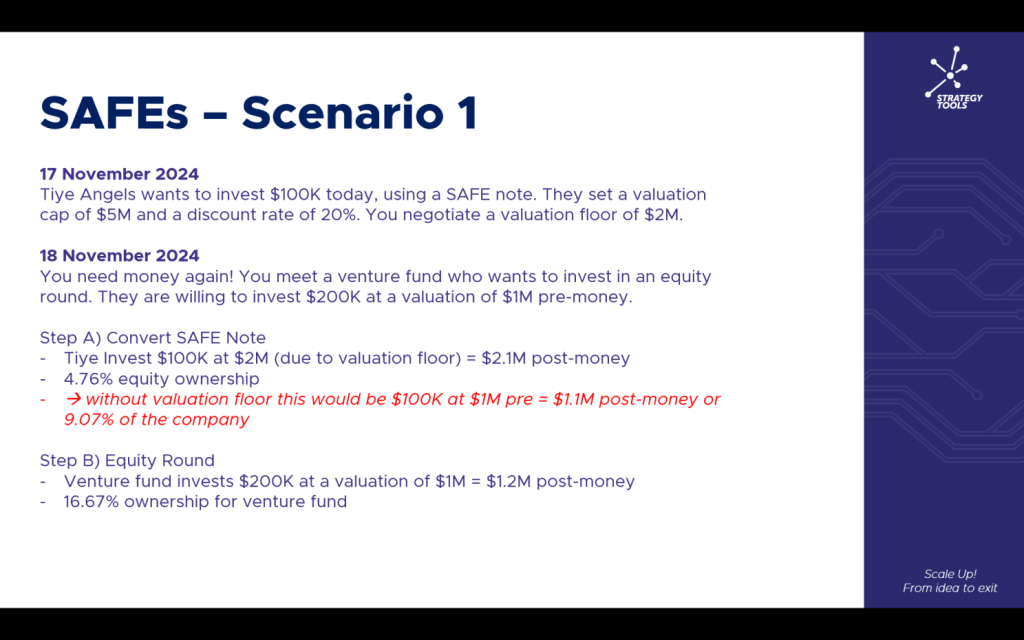
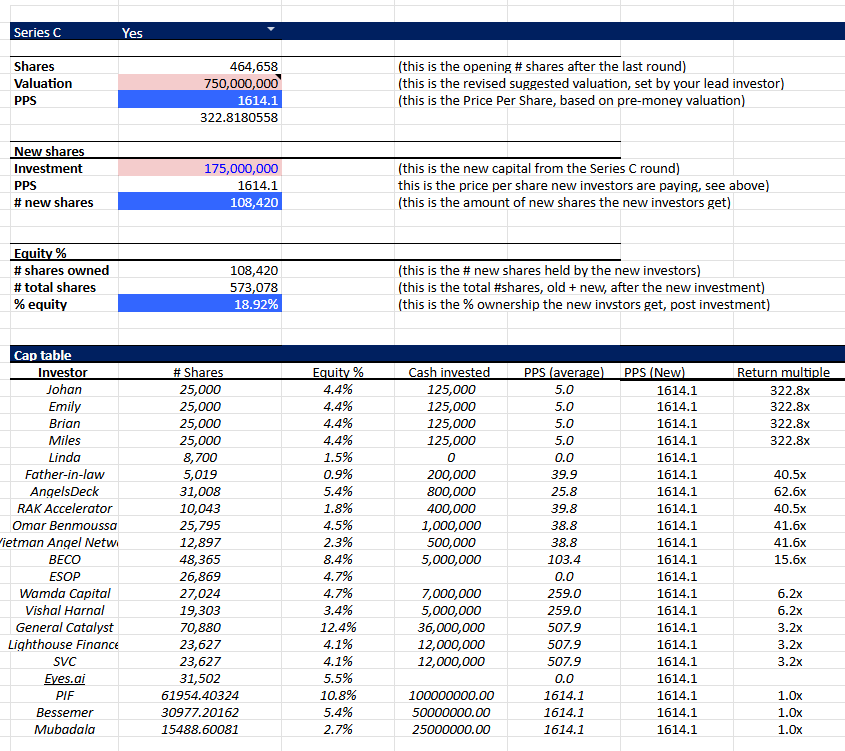
Step 8: Focus on the Cap Table
You have to make sure that you and your co-facilitators are up to speed on all things cap table.
Whether you choose to go with the paper version, the local host Excel version, the simple Google Sheets, or the full-on CFO Management dashboard—you have to be comfortable with the cap table.
It might need a couple of hours, a couple of days, or a couple of weeks of training to get there. Don’t skip this step. Cap table confusion kills the experience.
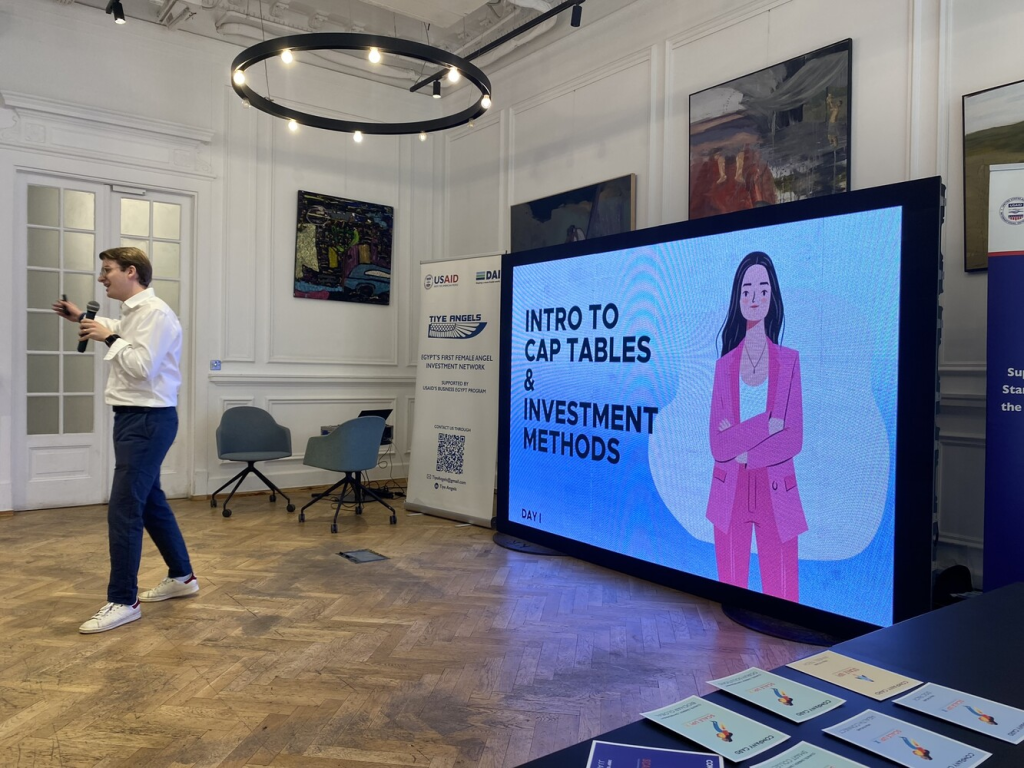
Step 9: Keep High Pace, Keep High Energy
Now you’ve started, you’re up and running, you have the participants in the room.
Make sure that you keep your pace and keep your energy. Push them. Push them. Push them.
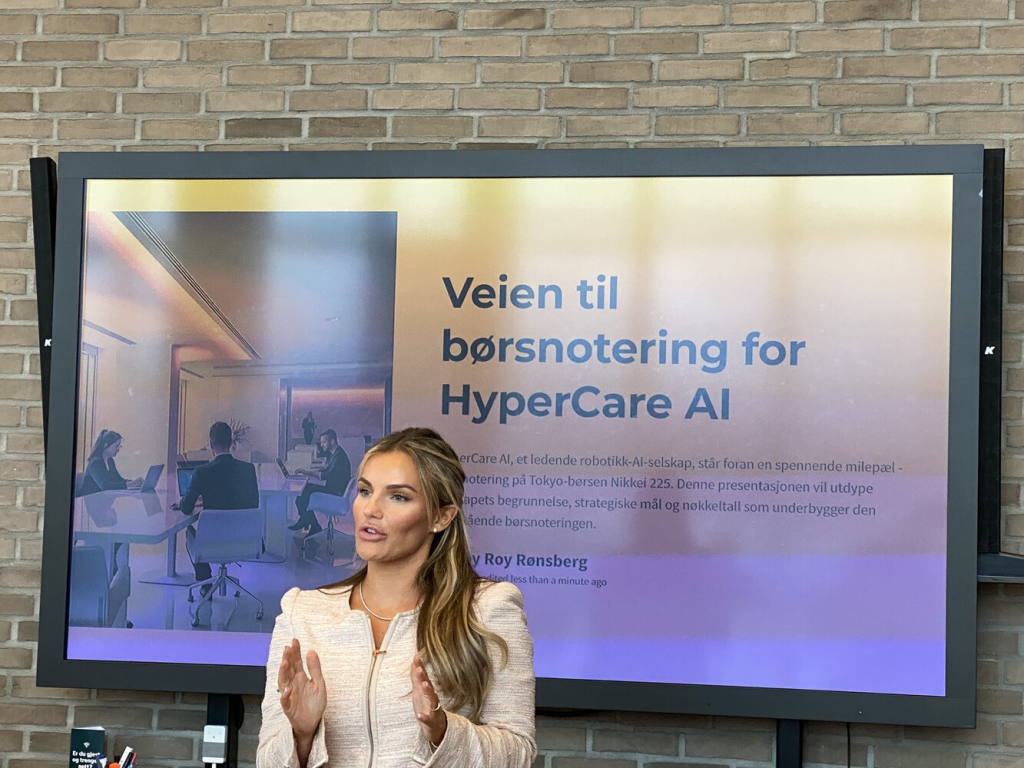
This is the real-life experience we want them to have. Startups don’t move slowly, and neither should your session. Give them the pitch deck Founder Task. Equip them with Investor update presentations. Push them into Outcome presentations and maybe even the Board IPO readiness deck. Make them work, make them present – and always keep the energy full on.
Step 10: Run an Exit Transaction
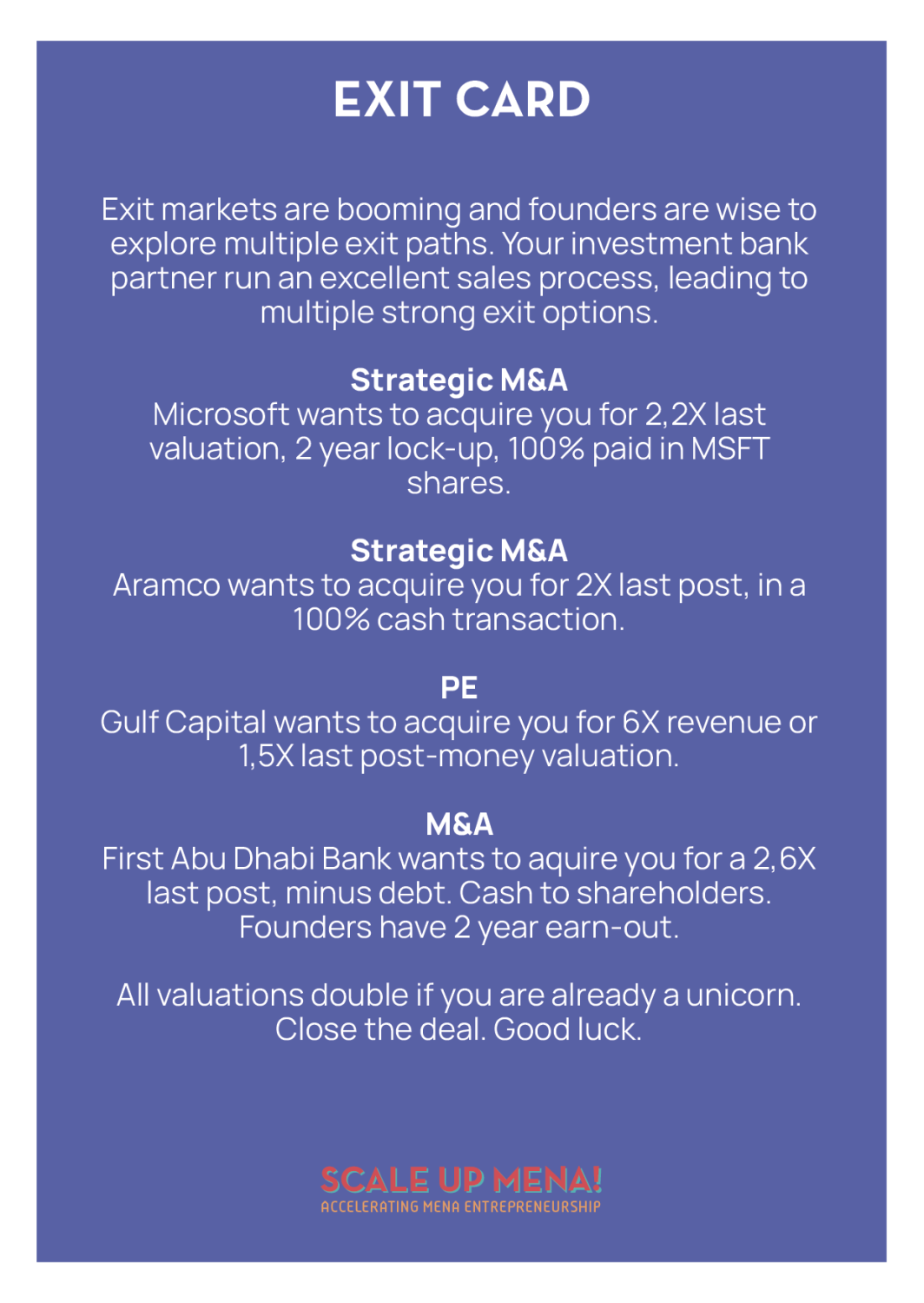
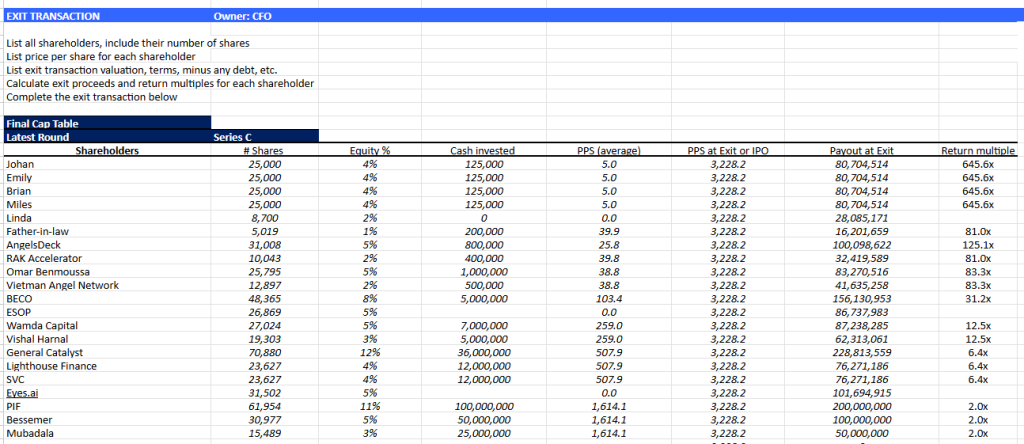
You’re now at the end of the program and you’re selecting a winner. Make sure you go through an exit transaction of some sort.
In the worst case, it’s basically “Congratulations, you’re acquired by Microsoft.” But there are many great exit scenarios you can run. Study them and
For everyone except the very most basic groups, run a proper exit scenario. If you have a really basic group, you can make up whatever you need for finding a winner. But make sure you have a clean cap table and a good exit transaction of some sort.
The Golden Rule: Always Tie It Back to Real Life
Finally, and this applies throughout the entire session: make sure that you constantly, always, always, always tie it back to real life.
As you’re going through the content, as you’re going through the stories, make sure to ask: How would this work in real life? What would be the equivalent in real life? How would you solve this in real life?
Because it’s not about the simulation. It’s about building skills for real life.
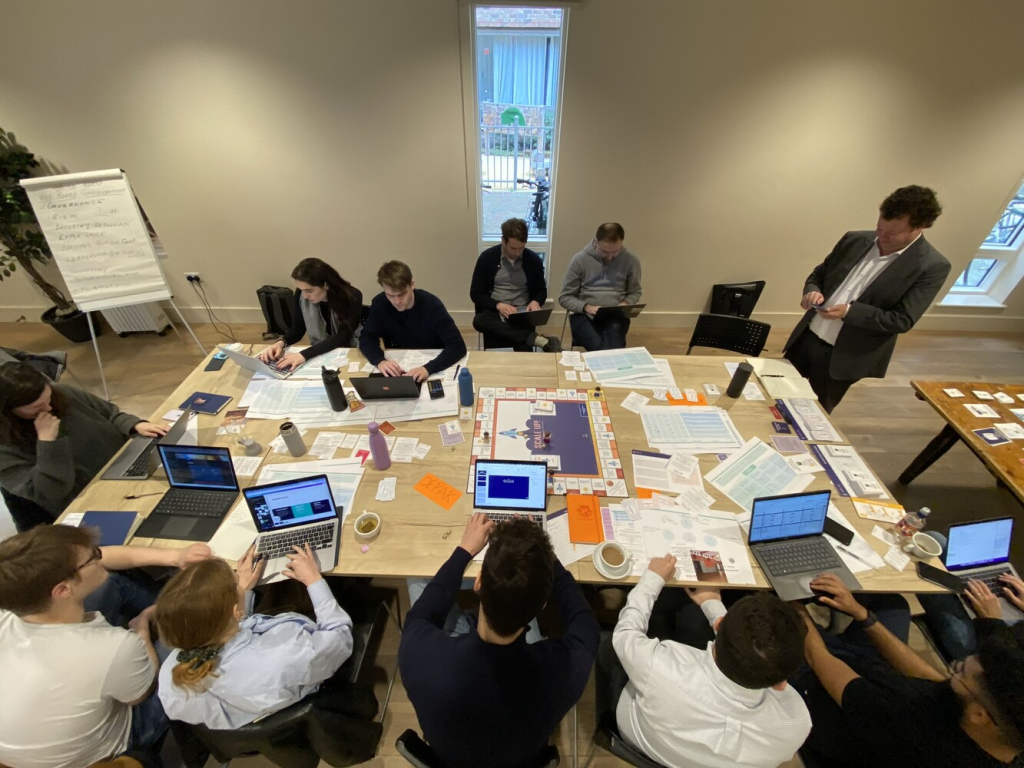
These ten steps have been refined through 200+ sessions across the globe. They work because they’re grounded in what actually happens when you bring founders, investors, and ecosystem builders together in a room and push them to think, decide, and act like they would in the real world.
Want to learn more about running Scale Up! sessions & Masterclasses? We deliver programs globally, by partnering with ecosystem builders, innovation agencies, ministries, accelerators, business schools, VC firms and anyone building the future of the startup ecosystem.
Visit us at strategytools.io. or reach out today at [email protected]